Do Your Nails Really Need to "Breathe" Between Gel Sets? (The Honest Answer)
5 min read · Updated 4 Aug 2026
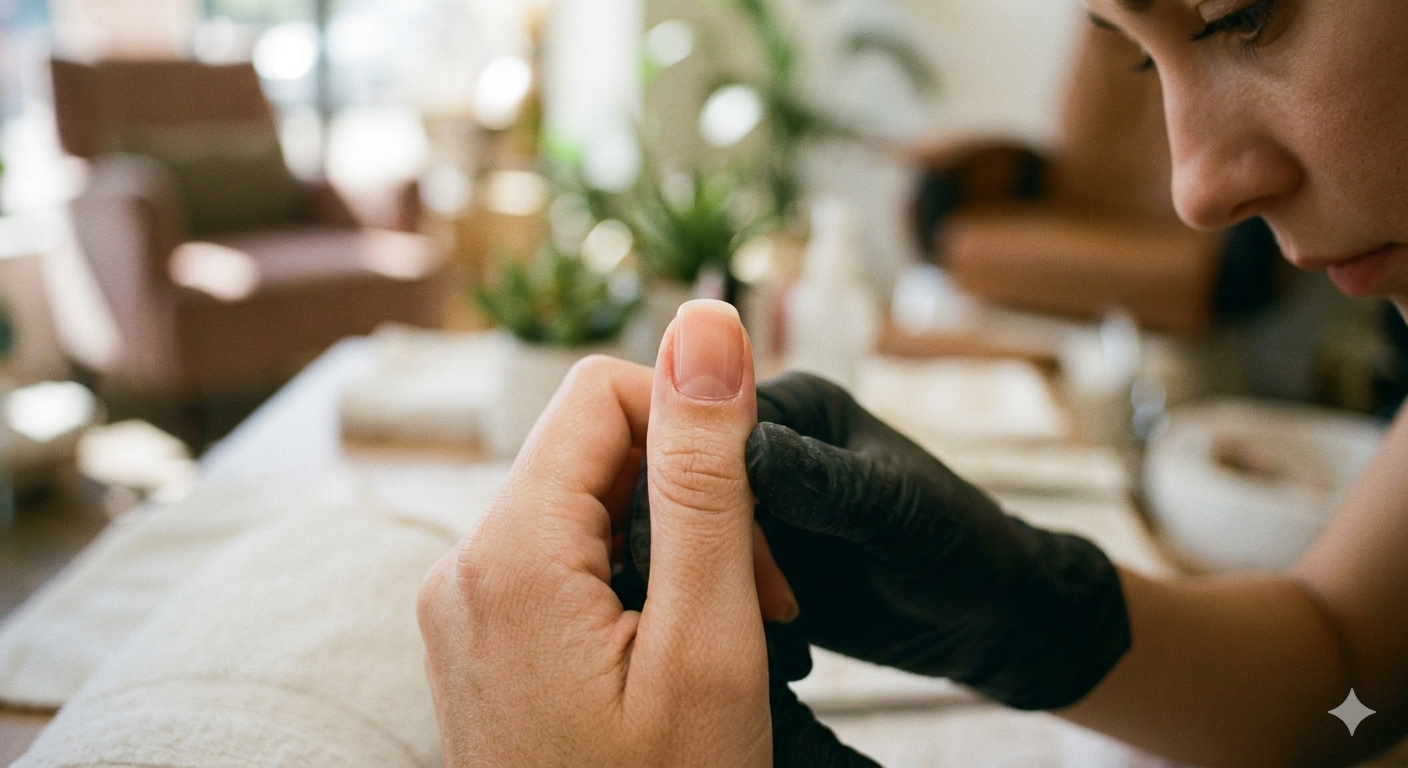
At some point, almost everyone who wears gel regularly hears the same bit of advice from a friend, a relative, or a random comment under a nail photo online: "you should let your nails breathe." It sounds sensible. It also turns out to be one of the most repeated pieces of nail advice that doesn't quite hold up the way people think it does.
So let's actually get into it — what's true, what's myth, and when taking a break from gel genuinely makes sense.
The short answer
Your nails don't need oxygen the way your skin or lungs do. The nail plate is made of dead, hardened keratin cells — there's no living tissue under there that's gasping for air every time you put polish on it. So no, gel polish doesn't "suffocate" your nails in any literal sense, and you don't need to leave them bare on some fixed schedule just so they can breathe.
That said, this isn't quite the same as saying gel has zero impact on your nails ever, under any circumstances. The real picture is a bit more specific than either "you must take breaks" or "it's always fine."
Where the "breathing" myth actually comes from
The advice probably stuck around because there's a real pattern hiding underneath it: people who wear gel continuously for a long time sometimes do end up with thinner, weaker, or more brittle nails. That's a genuine observation. The mistake is in the explanation — it's not a lack of oxygen causing it, it's usually one (or several) of these:
- Removal damage — picking gel off, or aggressive filing/buffing during removal, takes layers of the natural nail with it. Do that repeatedly and the nail plate genuinely does get thinner over time.
- Over-filing during prep — some application methods involve buffing the natural nail more than necessary to help product adhere.
- Dehydration — acetone (used in proper soak-off removal) and the application process itself can dry out the nail plate and surrounding skin if you're not following up with oil and moisturiser.
- Not noticing existing damage — if a nail was already damaged before the gel went on, it's easy to assume the gel caused it when really it just covered up a pre-existing issue for a few weeks.
None of these are fixed by "taking a break" on their own. A nail that's been damaged by rough removal won't repair itself faster just because it's bare for two weeks — it heals at the same rate either way, since nail growth is the only thing that actually replaces damaged keratin.
So is there ever a good reason to take a break?
Yes, but the reasoning is different from "letting it breathe." A break is genuinely useful when:
- Your nails are visibly thin, peeling, or splitting — not because they need air, but because you want a chance to actually assess the damage and let new, undamaged nail grow through without immediately covering it up again.
- You want to switch to something more protective — this is actually where a lot of people land on BIAB instead of standard gel polish, since it's designed to strengthen the nail underneath rather than just sit on top of it.
- You're noticing skin irritation or sensitivity around the nail, which is worth giving a proper rest from product and chemicals while it settles.
If none of that applies and your nails are in decent condition, there's no inherent harm in going from one gel set straight into the next, set after set, for months. The continuity itself isn't the problem.
What actually protects your nails, gel or no gel
If the goal is genuinely healthy nails rather than following a "breathing" ritual, these matter a lot more:
- How it comes off. Proper soak-off removal with acetone and gentle pushing, not picking or aggressive filing. This single factor probably matters more than anything else on this list.
- Cuticle oil, daily if you can manage it. Keeps the nail plate and surrounding skin from drying out, which is the actual mechanism behind a lot of the "weak nail" complaints people blame on gel.
- Going to someone who doesn't over-file. If your tech is buffing for what feels like ages every single appointment, that's worth a conversation.
- Spacing infills sensibly. Leaving it too long between appointments causes its own problems — we cover that properly in our infills guide if you're not sure how often you actually need one.
The bottom line
Your nails don't need to "breathe," and you're not doing anything wrong by going from one gel manicure straight into another. What actually matters is how the gel comes off, how well you look after the nail plate in between, and whether you switch things up when you notice real signs of damage — not on some arbitrary calendar schedule someone told you about once.
Have a question you'd like answered properly, without the myths? Head over to Discussions and ask — or check our Beauty Price Index for real UK pricing on nail treatments.